One of the best options to upgrade sash windows is double glazing original sashes. In this post, we will talk about the advantages and disadvantages of double glazing original sashes in your Bishopston home.
When you double glaze original sash windows, you keep the existing frames and replace the single panes with double glazed units. This approach can suit homeowners who want to retain period features while improving thermal performance. The decision involves weighing practical benefits against technical constraints and heritage considerations.
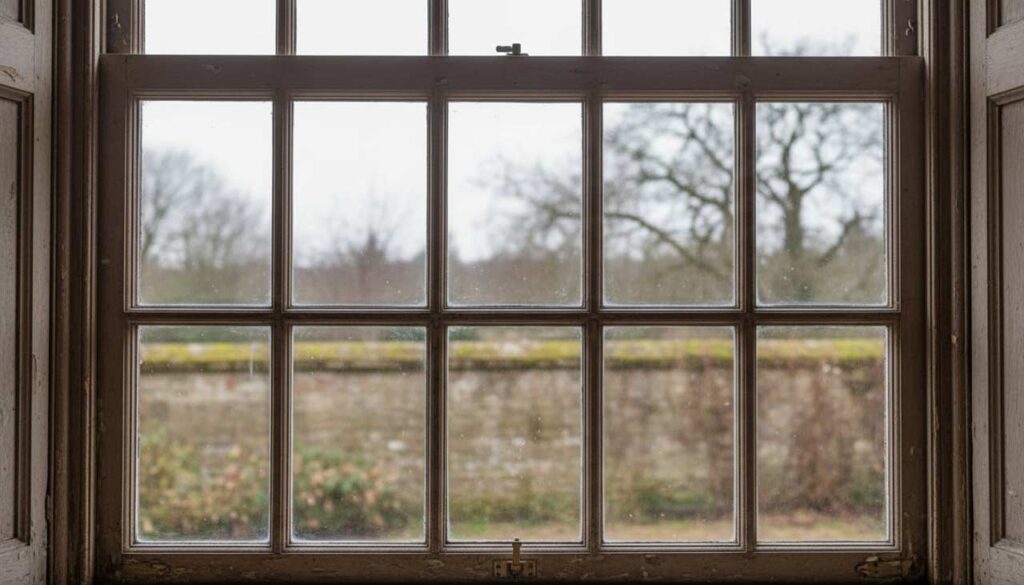
Bishopston contains several conservation areas where the appearance of period properties receives particular attention. While this article does not provide planning or regulatory advice, it may help you understand the factors involved when considering whether to retrofit double glazing into existing sashes or replace them entirely.
Advantages of Double Glazing Original Sashes
Retaining original timber frames preserves the character of Victorian and Edwardian homes. When frames remain structurally sound, retrofitting double glazing can be a practical way to improve insulation without removing historic joinery.
The thermal performance typically improves compared to single glazing. A sealed double glazed unit reduces heat transfer through the glass, which can make rooms feel more comfortable during colder months. Some homeowners also notice a reduction in external noise, though the degree varies depending on glass specification and the condition of the surrounding frame.
Retrofitting can sometimes be completed more quickly than full replacement. If the existing sashes are in good condition and the frames are square and stable, the work may involve removing the existing glass, routing the glazing rebates to accept slimline units, and fitting new beads.
For properties in conservation areas, keeping original frames may align with local planning expectations. Many conservation officers prefer to see historic timber retained where possible. This does not remove the need to check specific requirements, but it can be a starting point for discussion.
Disadvantages of Double Glazing Original Sashes
Not all original sashes are suitable for retrofitting. If the timber is decayed, the glazing bars are too narrow, or the frame has moved out of square, the work may not be feasible. A survey is usually needed to assess whether the existing joinery can accept double glazed units without compromising structural integrity.
Slimline double glazing units are thinner than standard double glazing, which allows them to fit into period frames. The gap between the panes is smaller, which can limit thermal performance compared to modern units with wider cavities. The improvement over single glazing is still noticeable, but it may not match the insulation levels of new, purpose-built double glazed sashes.
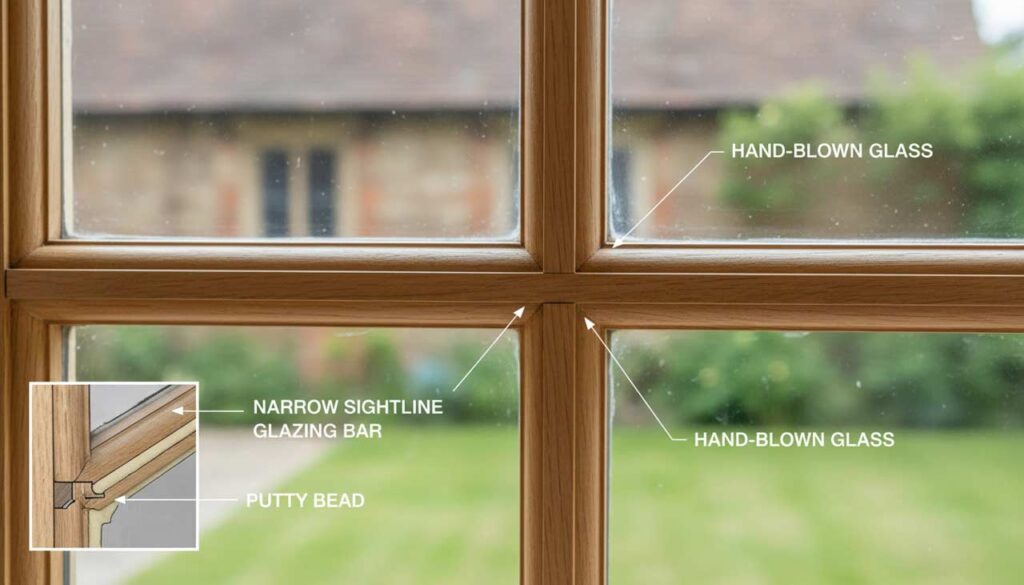
Weight is another consideration. Double glazed units are heavier than single panes, which means the sash cords and pulleys may need upgrading. If the original cast iron weights are not heavy enough to balance the new glass, the window may not operate smoothly. This can be resolved by fitting heavier weights or adjusting the balance mechanism, but it adds to the scope of work.
Condensation between the panes can occur if the sealed unit fails. While modern units are designed to last many years, they are not permanent. If the seal breaks, moisture enters the cavity and the glass may need replacing. This is a general characteristic of all double glazing, not specific to retrofitting, but it is worth noting when comparing options.
Visual changes can be subtle but noticeable. Slimline units often have a different reflection pattern compared to traditional single glazing. The spacer bar between the panes is visible at the edge of the glass, which can alter the appearance when viewed from outside. In some conservation areas, this may be a consideration.
Retrofitting Versus Replacing
Retrofitting keeps the original frames and sashes, which can be appropriate when the timber is in good condition and the property has heritage value. Replacing involves removing the existing sashes and fitting new ones, often with wider glazing rebates designed to accept standard double glazed units.
Replacement allows for better thermal performance because the new sashes can accommodate thicker units with wider air gaps. It also provides an opportunity to address any structural issues in the frame, such as rot in the sill or jambs. New timber, or engineered timber like Accoya, can offer improved durability.
The choice often depends on the condition of the existing joinery and the priorities of the homeowner. If the frames are original to a Victorian or Edwardian property and remain sound, retrofitting may be the preferred route. If the timber is compromised or the windows have been replaced in the past with lower quality joinery, replacement might make more sense.
Planning considerations can influence the decision. In conservation areas or for listed buildings, local authorities may have preferences about materials, appearance, and the retention of historic fabric. General guidance is available from organisations such as Historic England, though specific advice should always be sought from the relevant planning authority.
Planning Limits and Heritage Considerations
Bishopston includes areas where changes to the external appearance of buildings may require planning permission or conservation area consent. This can apply to window alterations, even when the work involves retrofitting rather than replacement.
The appearance of windows contributes to the character of period properties. Factors such as the profile of the glazing bars, the thickness of the glass, and the finish of the timber can all be relevant. Some conservation officers prefer slimline double glazing because it minimises visual change, while others may have concerns about reflections or the visibility of spacer bars.
If your property is listed, the requirements are typically more detailed. Listed building consent is usually required for any work that affects the character of the building, including window alterations. The process involves demonstrating that the proposed work is appropriate and that any harm to the historic fabric is minimised.
This article does not provide regulatory advice. If you are considering work in a conservation area or on a listed building, it is important to speak with your local planning authority before proceeding. They can clarify what permissions are needed and what standards apply.
Practical Considerations for Homeowners
Before deciding whether to double glaze original sash windows, it helps to have the existing frames inspected. A joiner or sash window specialist can assess the condition of the timber, check for rot or movement, and advise whether retrofitting is feasible.
If the frames are sound, the next step is to establish whether slimline units will fit. This depends on the width of the glazing rebates and the thickness of the glazing bars. Some Victorian sashes have narrow bars that cannot accept even the thinnest double glazed units without modification.
The balance mechanism should also be reviewed. If the existing sash cords and weights are in good condition, they may only need adjustment. If they are worn or undersized, replacement may be needed to ensure smooth operation after the heavier glass is fitted.
Draught proofing is often carried out at the same time as glazing work. Even with double glazing, gaps around the sashes can allow air leakage, which reduces thermal performance. Brush seals or compression seals can be fitted to the meeting rails and the frame to improve airtightness.
For more information about the process and what it involves, you may find it helpful to read about double glazed sash window upgrades or explore options for sash window double glazing.
Understanding the Trade-Offs
Double glazing original sashes involves balancing heritage value, thermal performance, and practical constraints. Retrofitting can preserve historic joinery while improving comfort, but it may not deliver the same insulation levels as purpose-built replacement sashes.
The decision is often specific to the property. Factors such as the condition of the timber, the width of the glazing bars, and the planning context all play a role. A survey and a conversation with your local planning authority can help clarify what is possible and what is appropriate for your home.
There is no single right answer. Some homeowners prioritise retaining original features and accept the limitations of slimline units. Others prefer the performance and longevity of new sashes designed for modern double glazing. Understanding the pros and cons of each approach can help you make an informed choice that suits your property and your priorities.
If you are considering whether to double glaze original sash windows in Bishopston, taking time to assess the condition of your frames and understand the planning context can be a useful first step.
Source: https://sashwindowsbristol.co.uk/double-glazing-original-sashes/
Comments
Post a Comment