The benefits of sash window draught reduction in Bristol homes are both practical and financial, particularly in Victorian and Edwardian properties where air leakage around moving parts can be noticeable. Many homeowners in areas like Redland live with cold draughts during winter months without realising that relatively straightforward improvements can make a measurable difference to comfort and running costs.
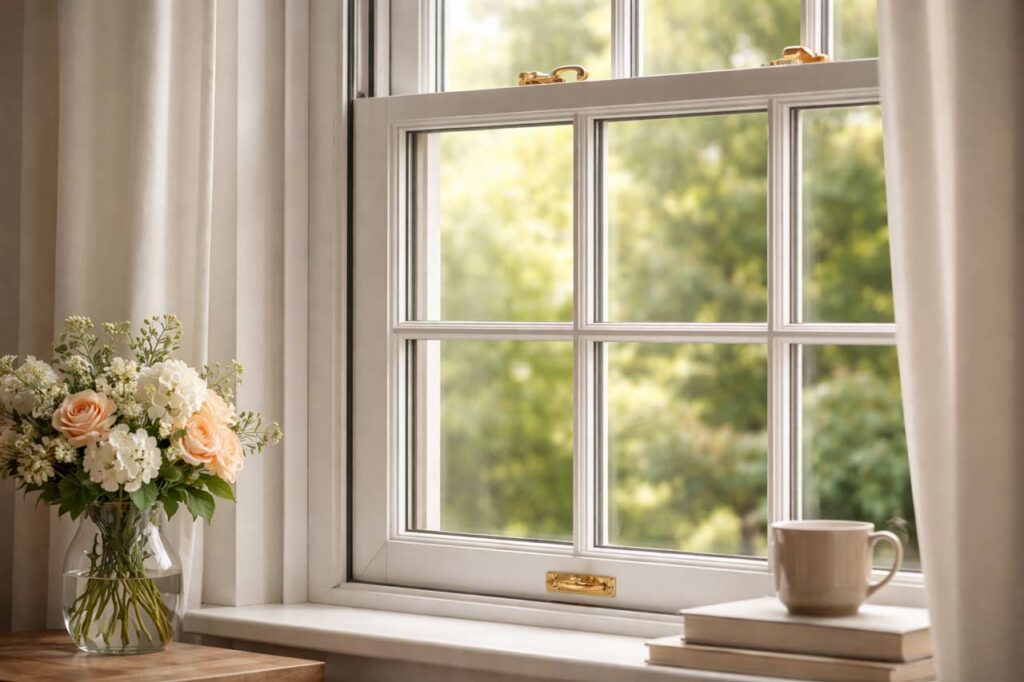
Sash window draught reduction focuses on minimising unwanted air movement through gaps where the sashes meet and where they slide within the frame. Discreet brush or compression seals are fitted to reduce cold air entering the room and warm air escaping. This work is usually carried out without altering the appearance of the window or affecting how it opens and closes.
According to the Energy Saving Trust, uncontrolled draughts can account for a significant portion of heat loss in older homes. Their guidance explains how addressing gaps around windows helps reduce energy use and improve comfort: Energy Saving Trust – draught proofing advice.
Reducing Heat Loss and Energy Use
Traditional sash windows were not designed with modern airtightness standards in mind. The sliding mechanism requires small tolerances, and over time these gaps can widen as timber naturally moves or paint layers wear away. This allows cold air to enter and heated air to escape.
Reducing draughts around sash windows limits this air exchange. As a result, rooms retain heat more effectively and heating systems do not need to work as hard to maintain a comfortable temperature. For homes heated by gas or electricity, this can contribute to lower energy bills over the heating season.
The level of improvement depends on factors such as property size, window condition, and heating type. While draught reduction is only one part of overall energy efficiency, it addresses a common and often overlooked source of heat loss in period properties.
Improving Comfort Throughout the Home
Draughts affect more than just room temperature. Moving cold air creates uneven conditions, making some areas feel noticeably cooler even when heating is on.
Reducing draughts in sash windows helps stabilise indoor conditions. Rooms feel warmer without increasing heating output, and the discomfort caused by cold air movement is reduced. This is particularly noticeable in bedrooms, living rooms, and other areas where people spend extended periods.
In Redland and similar Bristol neighbourhoods with tall ceilings and large sash windows, addressing window draughts is a practical step that complements other measures such as loft insulation or improved heating controls.
Reducing Noise from Outside
Reducing air gaps around sash windows can also limit the amount of external noise entering a room. While this does not replace acoustic glazing, sealing gaps has a noticeable dampening effect on traffic noise and general street sounds.
This can be particularly helpful in busy urban areas, contributing to a quieter and more comfortable indoor environment.
Protecting Timber and Paintwork
Cold draughts often carry moisture. When moist air moves through gaps in window frames, it can settle on internal surfaces and increase the risk of condensation.
Reducing air leakage helps limit moisture reaching vulnerable timber and painted surfaces. Over time, this supports the condition of the window and can reduce the frequency of redecoration or repair work.
Historic England highlights the importance of reducing draughts in traditional windows while maintaining ventilation and original fabric: Historic England – draught proofing traditional windows.
Working Alongside Other Improvements
Draught reduction is often carried out alongside other sash window work. When windows are being repaired or refurbished, fitting draught-proofing measures at the same time is efficient and avoids repeat disruption.
Homeowners considering sash window refurbishment may find draught proofing included as part of the process. It can also be combined with secondary glazing or slim double glazing to further improve insulation and comfort.
For those aiming to improve energy efficiency, eco-friendly sash windows benefit from draught-proofing measures that reduce unnecessary heat loss.
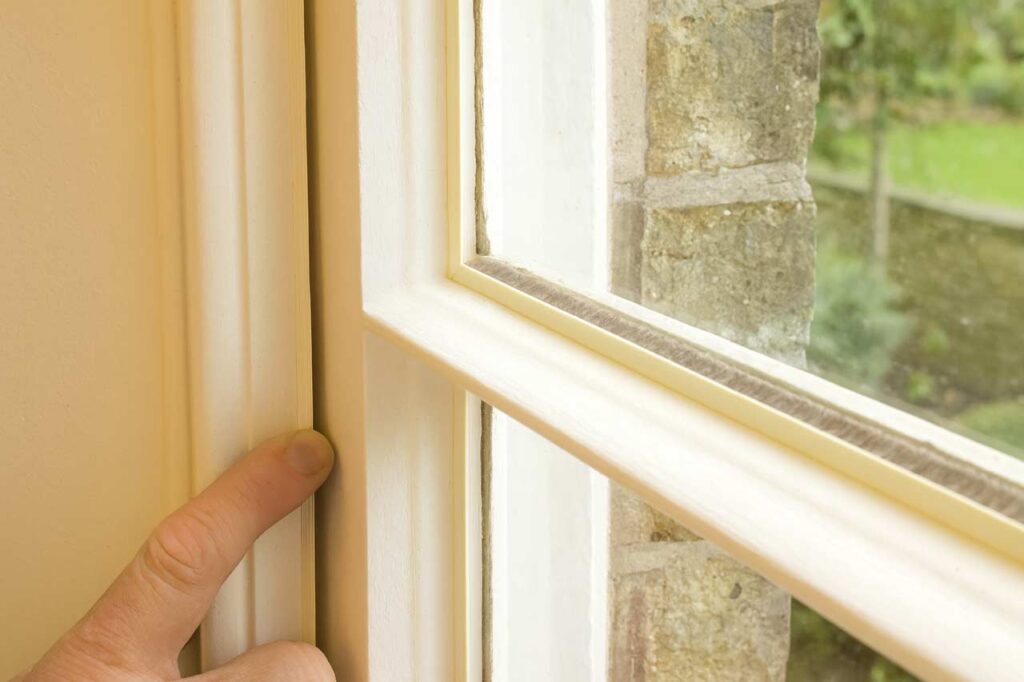
What the Sash Window Draught Reduction Process Involves
The process typically involves removing the sashes, cleaning the channels, and fitting discreet brush pile or compression seals into routed grooves. The meeting rail is also addressed to limit air movement where the sashes come together.
The seals are designed to be unobtrusive and should not affect how the window operates. Once fitted, the sashes should slide smoothly and retain their original appearance.
Considerations for Period Properties
Victorian and Edwardian homes across Bristol were built with repairable timber sash windows. Reducing draughts aligns well with maintaining original features rather than replacing them.
Because draught proofing does not alter the external appearance of windows, it is generally considered a sympathetic improvement for conservation areas and listed buildings. Bristol City Council provides guidance on alterations to historic properties: Bristol City Council – conservation and listed buildings.
Long-Term Value
The cost of reducing draughts in sash windows is usually lower than replacing windows or installing secondary glazing. Work can be completed in stages, allowing homeowners to spread costs over time.
Comfort improvements and reduced heat loss continue year after year. While seals may need occasional replacement, this is a minor task compared to larger window upgrades.
For homeowners exploring improvements, draught proofing sash windows remains a practical starting point that delivers noticeable results without major disruption.
Understanding how sash window draught reduction works helps homeowners make informed decisions about improving comfort and energy efficiency while retaining the character of their period Bristol properties.
Source: https://sashwindowsbristol.co.uk/sash-window-draught-reduction-bristol/
Comments
Post a Comment